How Purposeful Leaders Can Successfully Navigate Human-AI Collaboration and Drive Real Results
Earlier this month, I stepped into a brand-new auditorium at PolyU Hong Kong for my third year as a guest lecturer. I was excited to share a question that’s been on my mind lately with the postgraduate students: How do we move beyond tool mastery to create truly effective Human-AI teams?
For me, the answer lies in something deeper: the ability to lead in ways that bring out the best in both humans and AI.
When I asked my students, ‘What do you use AI for?’, their answers formed the word cloud you see here.
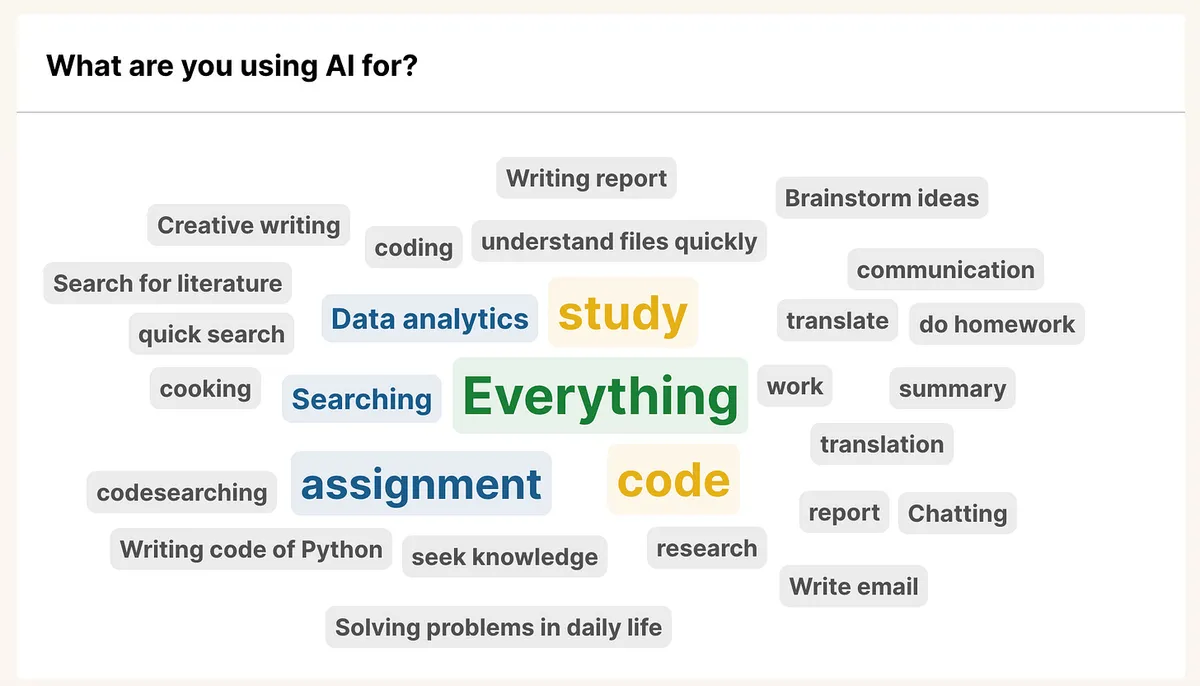
The overwhelming response: “Everything” … made me pause. While it’s exciting to see how broadly we’ve embraced AI, it also sparked an important reflection: Are we intentionally managing AI for real value, or just passively consuming it?
Before we dive deeper, I’d like to invite you to try this quick quiz …
How Well Do You Know AI?
The Reality of Tomorrow’s Workforce
How did you score?
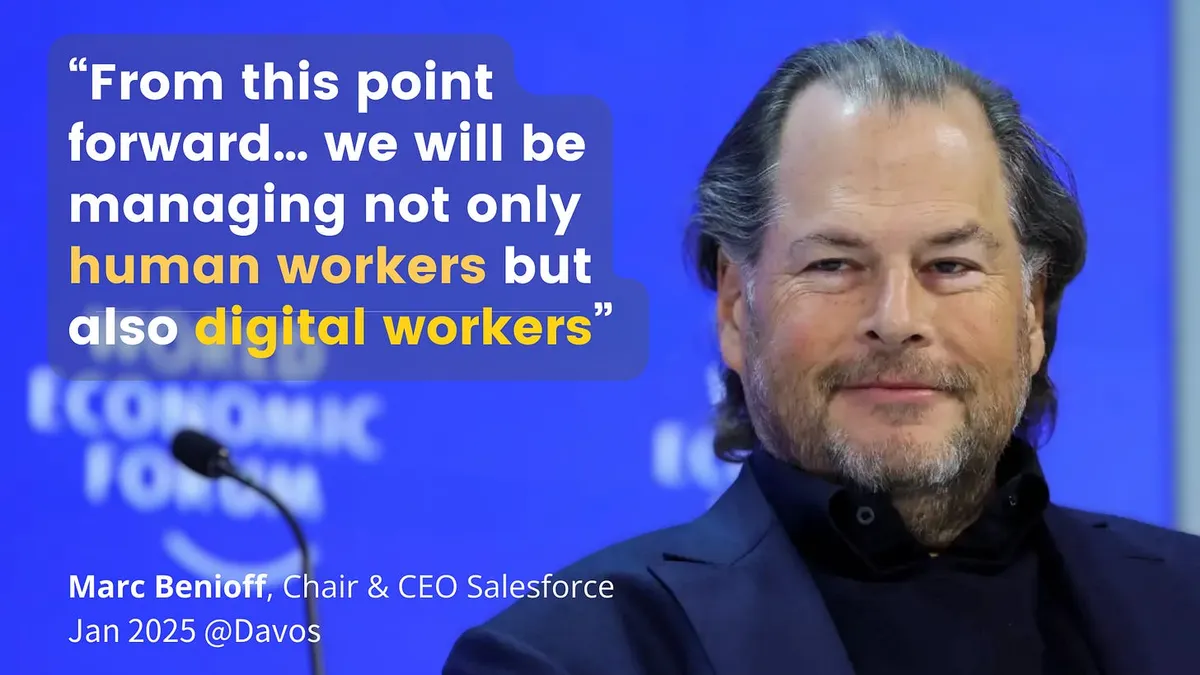
Marc Benioff’s recent declaration at Davos 2025 puts it bluntly: “From this point forward… we will be managing not only human workers but also digital workers.” This isn’t future-gazing – it’s happening now. As he emphasized in Salesforce’s February earnings call, “We are the last generation to manage only humans.”
The Conductor’s Toolkit: Discern, Bond, Orchestrate
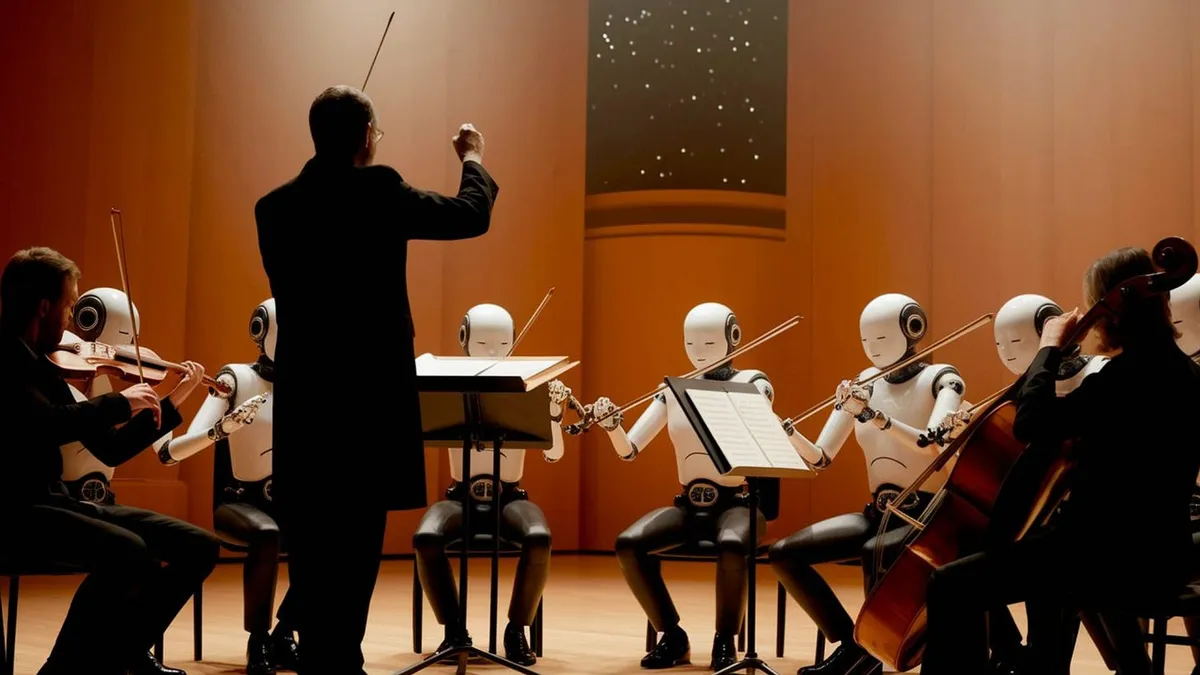
In my journey studying effective AI leadership, the orchestra conductor emerged as a powerful model for success. Like them, our job isn’t to play every instrument, but to ensure all parts work in harmony.
Let’s explore these essential skills together:
(1) DISCERN: The Art of Deep Listening
Think of how a conductor listens - not just to individual instruments, but to how they work together. In the AI era, we need similar depth of perception.
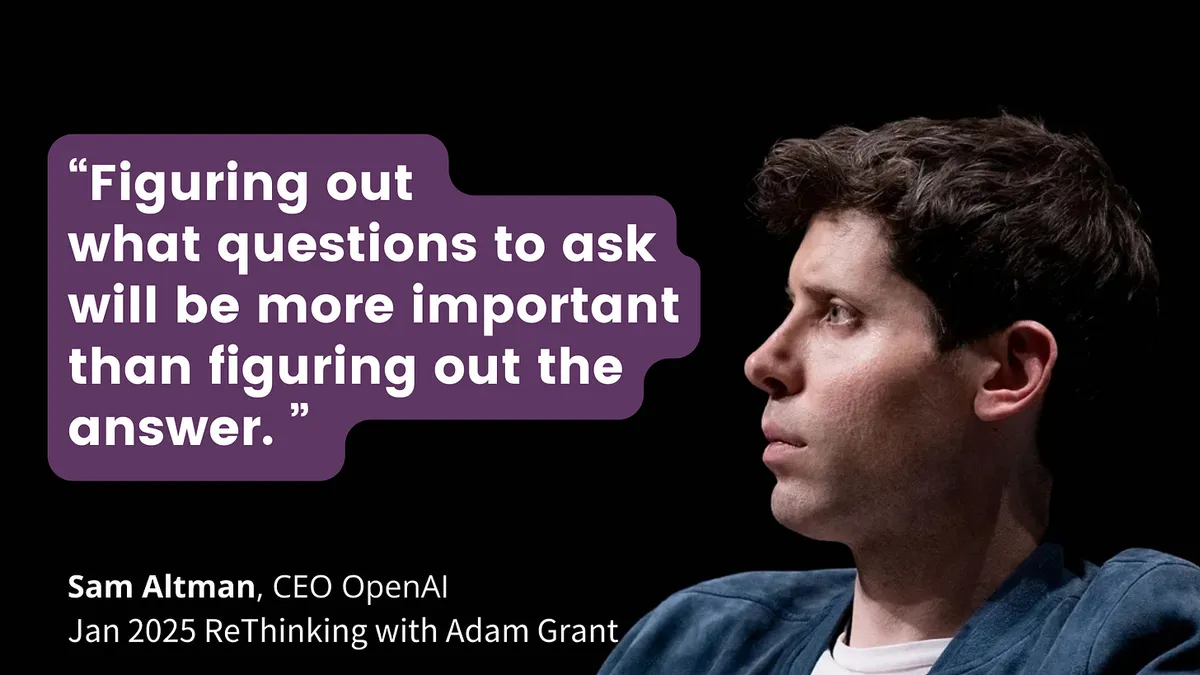
Sam Altman captured this perfectly in his January 2025 conversation with Adam Grant: “Figuring out what questions to ask will be more important than figuring out the answer.”
This kind of discernment involves three levels of awareness:
Known-Knowns: Establishing Understanding
We understand AI’s sweet spots: narrowly-defined problems with clear metrics and sufficient data. This knowledge should keep us humble about AI’s current capabilities and limitations.
Known-Unknowns: Acknowledged Uncertainty
We must acknowledge the gaps: AI hallucinations, explainability challenges, and potential vulnerabilities. These known unknowns keep responsible practitioners vigilant and drive us to implement necessary safeguards.
Unknown-Unknowns: Unrecognized Blindspots
Perhaps most critically, we must stay alert to unforeseen behaviors and societal effects. The most dangerous aspects of AI deployment often aren’t the problems we’re trying to solve, but the ones we don’t yet know exist. This reality demands continuous monitoring and adaptation.
(2) BOND: Building Trust in the Hybrid Workforce
Let’s face it: The relationship between humans and AI hasn’t had the smoothest start. Headlines about AI-driven layoffs and the rise of “secret cyborgs” – employees quietly using AI without acknowledgment – point to a trust deficit in many organizations.
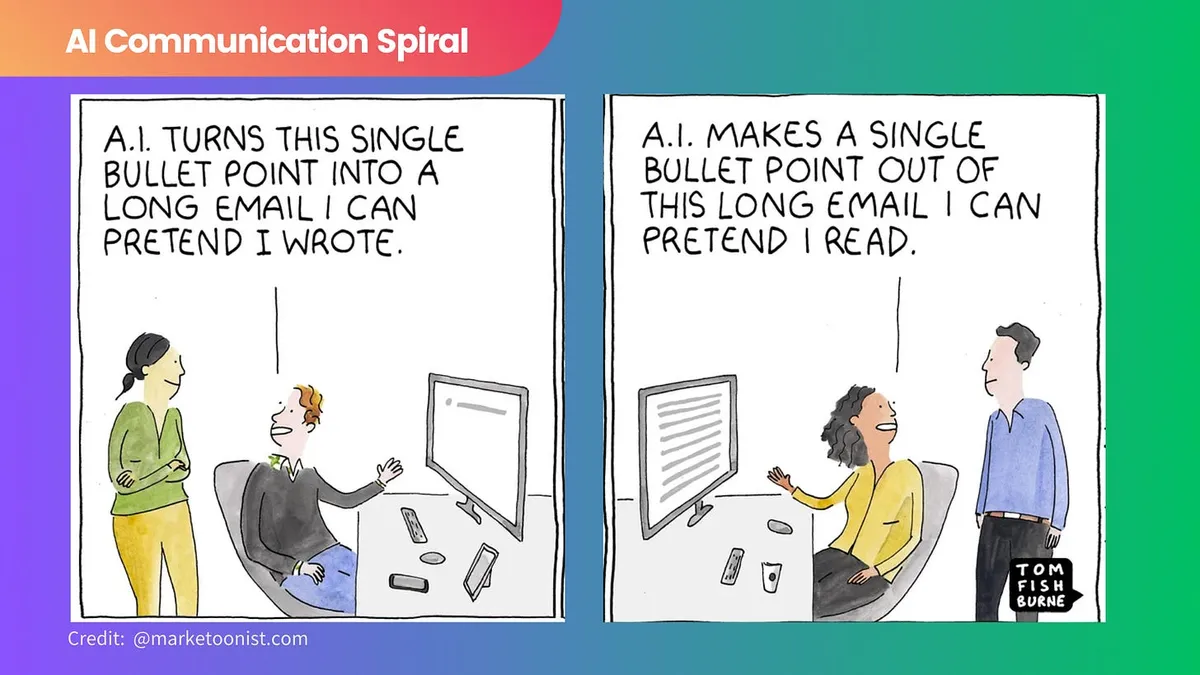
This secrecy stems from understandable concerns:
-
Job security fears
-
Policy ambiguity
-
The temptation to claim AI-augmented work as purely human
But there’s a better way forward. Trust and transparency can transform how teams work with AI, and it happens on two fronts:
Top-Down Leadership:
Create clarity through:
-
A living AI guideline (some call it an AI Manifesto)
-
Clear data policies that everyone understands: • What’s okay to share with AI • When to anonymize information • What should never be included in prompts
-
Shared success stories across departments
Bottom-Up Empowerment:
Remember: AI shouldn’t be sprinkled into teams like a technical upgrade. Just as orchestras need rehearsal time, teams need space to explore and adapt. This means:
-
Providing psychological safety for experimentation
-
Empowering non-technical teams with accessible AI tools
-
Celebrating learning and open dialogue about AI integration
(3) ORCHESTRATE: Bringing It All Together
In an orchestra, everything ultimately serves the music. In business, everything serves our mission and outcomes. As conductors of the AI era, we must keep sight of fundamental questions that guide our performance.
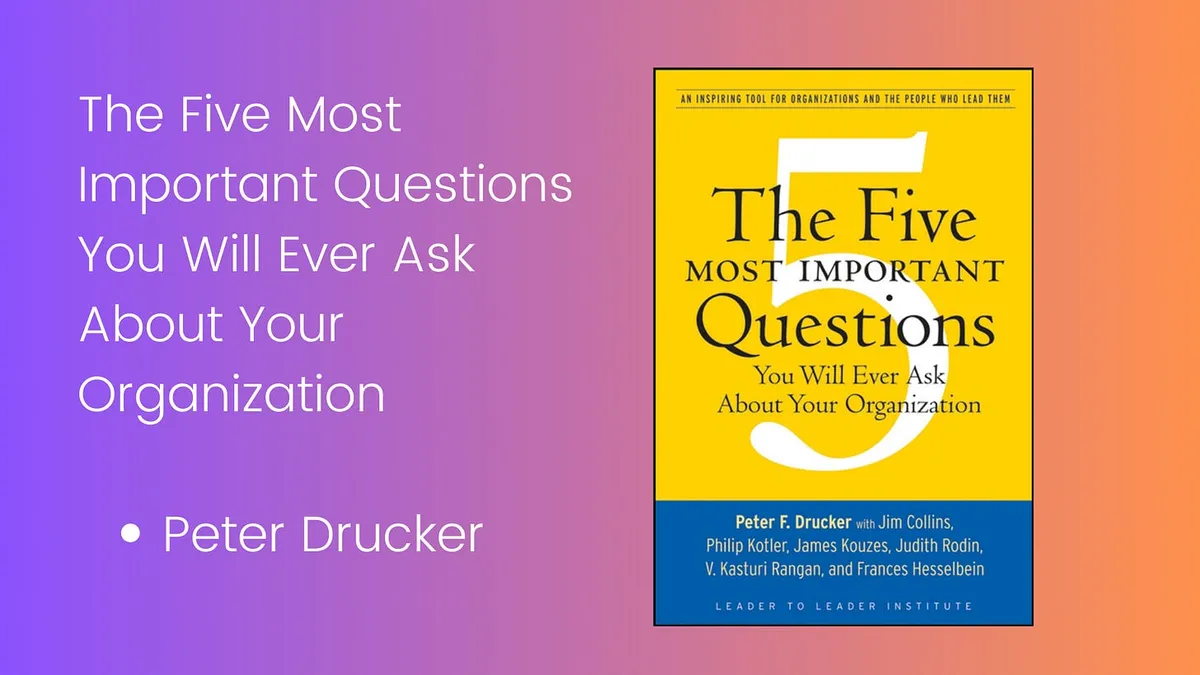
Peter Drucker’s Five Essential Questions remain our compass:
-
What is our Mission? In the AI era, this North Star becomes even more crucial for guiding decisions about technology adoption and integration.
-
Who is our Customer? Understanding both direct beneficiaries and stakeholders shapes how we deploy AI solutions.
-
What does the Customer Value? Value definitions must come from customer engagement, not AI assumptions.
-
What are our Results? As Drucker reminded us, “Results are always measured outside the organization.”
-
What is our Plan? Balancing immediate AI opportunities with long-term vision and adaptation.
These questions interweave: Your mission shapes who your customers are, which influences what they value, which determines how you measure results, which then guides your planning process.
Looking Forward: Innovation in the AI Era
As leaders, we must also help our organizations answer:
-
What will the business be?
-
What should the business be?
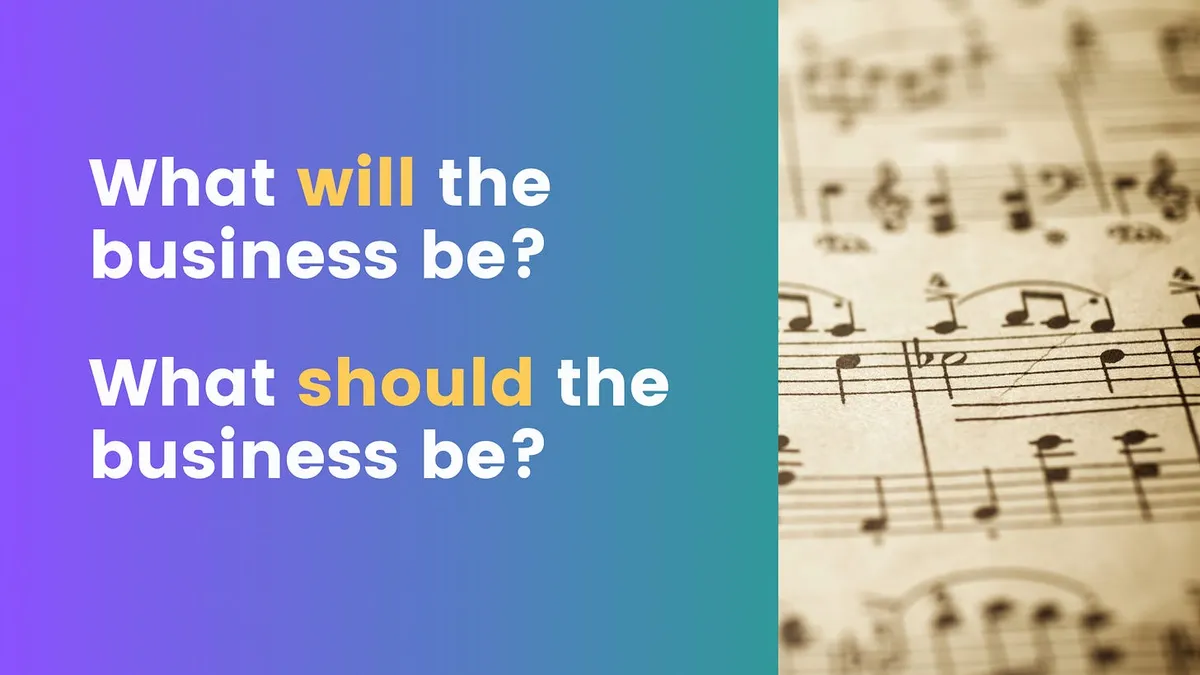
This is where structured innovation approaches like HAIT Design Sprint come into play. (For those interested in this framework, you’ll find details in my previous Better AI article - Supercharge Enterprise Problem-Solving with Human-AI Teaming.)
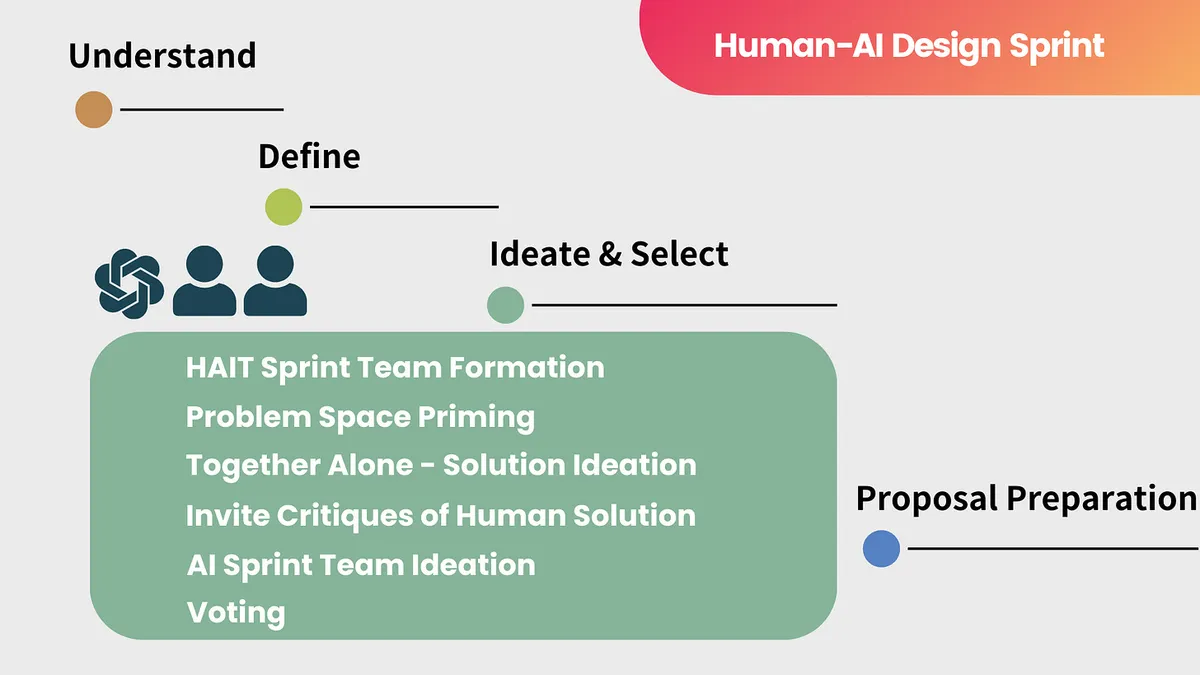
We’re witnessing a time of immense techno-social change. Creating a better AI future requires more than just AI scientists and ML engineers, it needs leaders who can bring out the best in Human-AI collaboration.
Be the Bridge
Peter Drucker once said that good management is about enhancing dignity, respect, and meaning in people’s work. Today, as we integrate AI deeply into our workplaces, this resonates more powerfully than ever. AI isn’t just about technology - it’s about us, the choices we make, and the future we shape together.
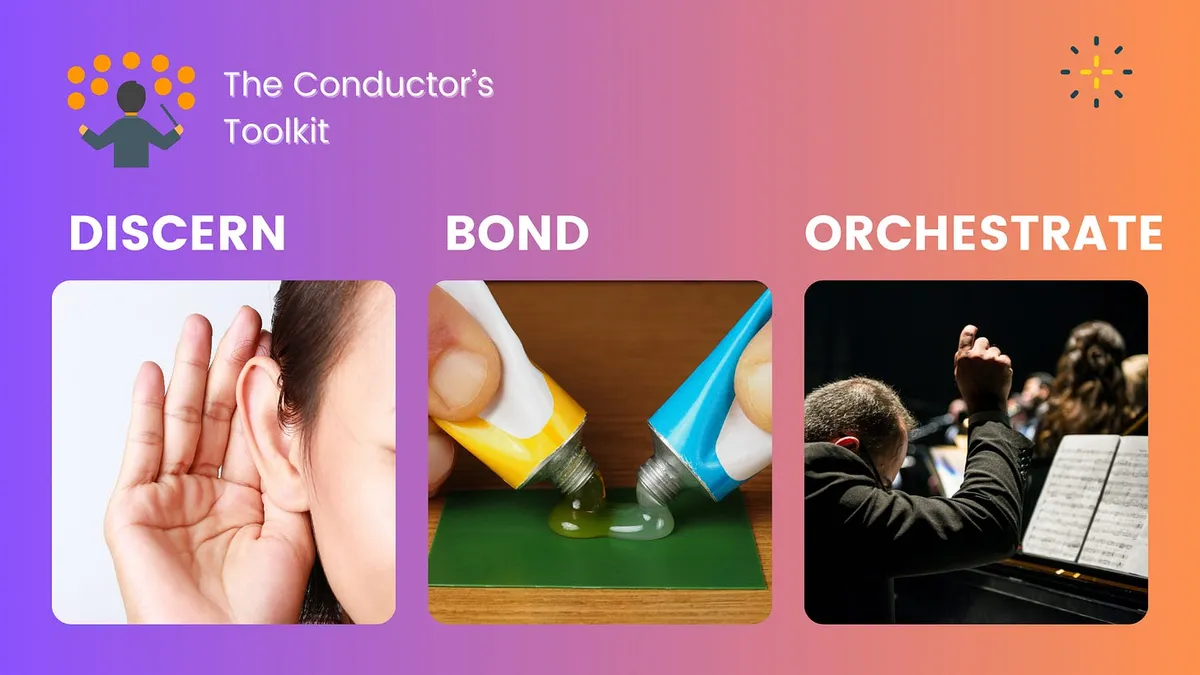
As you step into your role as a conductor of Human-AI collaboration, remember: your leadership will define whether your organization merely adopts AI or genuinely thrives through it.
I’m on this journey with you. Let’s connect and build this future together.